
24/7 emergency line · Winston-Salem, NC
Water damage restoration in Winston-Salem, NC
We remove standing water, dry the structure, and repair the damage after burst pipes, appliance leaks, sewage backups, and storm flooding. One local company, from the first call to the last coat of paint.
- Answered 24 hours a day
- Licensed and insured
- Extraction, drying, and repair
What is happening at your property?
- Water is spreading right nowEmergency response, day or night
- A pipe burst or is leakingSupply lines, water heaters, frozen pipes
- A ceiling is stained or saggingLeaks from a bathroom, attic, or roof
- The basement or crawl space is wetPumping, cleanup, and drying
- Sewage came up a drainContaminated water cleanup
- There's a musty smell or moldFind the moisture, remove the growth
Not on the list? Call (336) 388-6364 and describe it.
- Answered 24/7Nights, weekends, and holidays
- Licensed and insuredAsk for details when you call
- Local officeWallburg Road, Winston-Salem
- One companyThe crew you call is the crew that shows up
If water is in the house now
Do these 5 things before we arrive
Then call (336) 388-6364. We'll ask where the water came from, how long it has been there, and which rooms are wet.
- Shut off the water at the main valve if a pipe or fixture is the source.
- Switch off breakers to wet rooms, but only if the panel is dry and you aren't standing in water.
- Keep people and pets out of water that came from a drain, toilet, or outdoors.
- Move rugs, electronics, and papers to a dry room. Put foil or plastic under furniture legs.
- Take photos before anything is moved or thrown out.
Services
Water damage services we provide in Winston-Salem
14 services, one crew. Each page explains what the problem looks like, what the work involves, and what changes the price.
Emergency response and drying
Emergency water damage restoration
Stopping the source, getting water out, and starting drying the same visit.
Water extraction services
Pumping and vacuuming standing water out of floors, carpet, and pad.
Structural drying services
Air movers and dehumidifiers, tracked with daily moisture readings.
Burst pipe and plumbing leak cleanup
Frozen pipes, failed supply lines, water heaters, and overflows.
Flood damage restoration
Pumping, mud removal, tear-out, disinfection, and drying after storm flooding.
Storm and roof leak water damage
Drying attics, ceilings, and walls, plus temporary protection.
Repair after the structure is dry
Water damage repair
Drywall, insulation, flooring, trim, cabinets, and paint.
Ceiling water damage repair
Source traced, cavity dried, ceiling replaced and repainted.
Hardwood floor water damage repair
Cupped floors dried in place, boards replaced, floor refinished.
Water-damaged carpet restoration
Extraction, new pad, subfloor drying, cleaning, and re-stretching.
Contaminated water, mold, and specific spaces
Sewage backup cleanup
Containment, removal, and disinfection after a sewer or septic backup.
Mold remediation
Growth contained and removed, and the moisture behind it corrected.
Basement water damage restoration
Flooded basements and crawl spaces pumped, cleared, and dried.
Commercial water damage restoration
Offices, retail, and multi-tenant buildings, scheduled around business hours.
How we work
What you get when you call us
Every job moves through the same stages, from the first sign of damage to the finished repair.
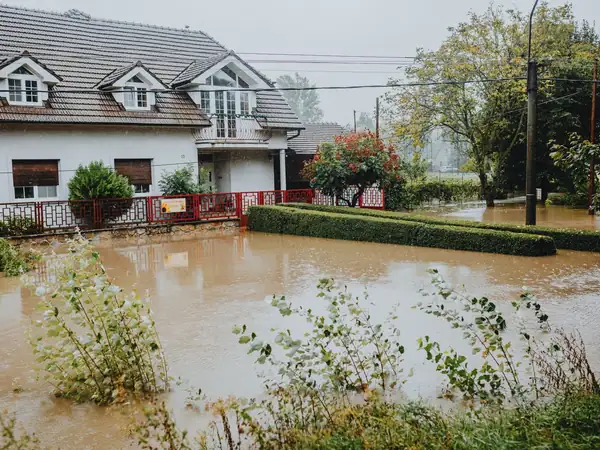
Flood damageOutdoor water is contaminated. Porous materials it soaked are removed. 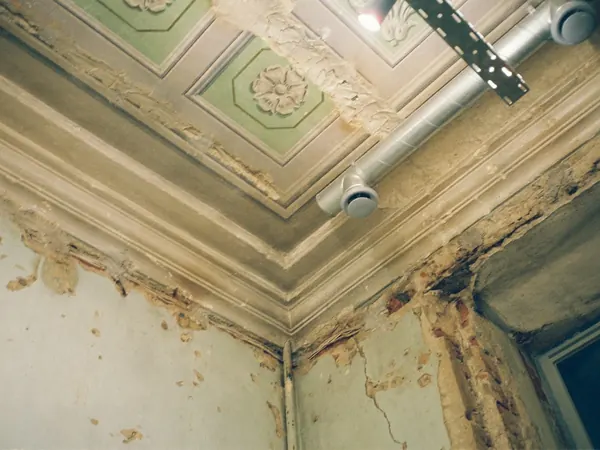
Ceiling leaksStains and peeling mean water has been sitting above the surface. 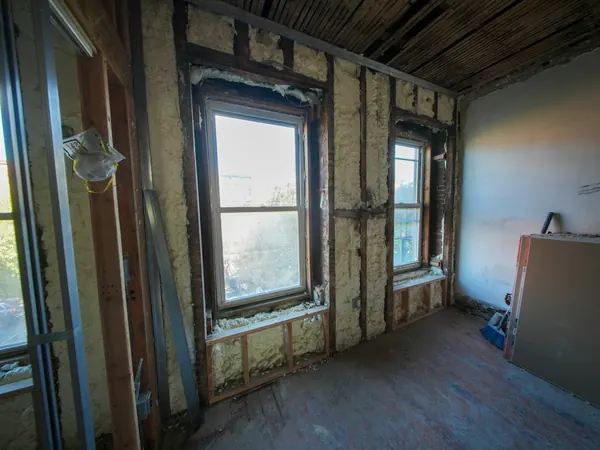
Structural dryingOpened walls let the framing be dried and checked with a meter. 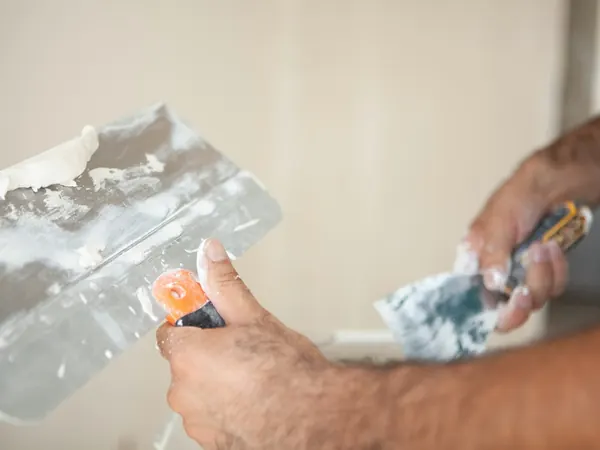
RepairsSurfaces are rebuilt only after the structure reads dry.
Decisions based on meter readings
We measure moisture in wet materials and in dry parts of the same building, write the numbers down, and compare them on every visit. Equipment leaves when the readings say dry.
One company from leak to repair
The same business handles extraction, drying, and the repairs afterward. The crew that dries the house is the crew that rebuilds it, so they know the framing is dry before they close it up.
Licensed, insured, and plain-spoken
You get a written scope before work proceeds, and photos and moisture logs when it ends. If a problem is small enough to handle yourself, we'll tell you. Read more about how we work.
Tap a number to go to that service.
Find your problem
Common water damage problems in Winston-Salem homes
Most calls start in one of 6 places. Match what you're seeing to the number on the house.
- Roof and storm leaks. Water dripping through a light fixture or a new ceiling stain during rain.
- Ceiling stains and sagging drywall. Usually a supply line, toilet seal, or shower pan above.
- Burst pipes and failed supply lines. A lot of water in a short time. Fast extraction keeps it from reaching the next room.
- Cupped hardwood and soaked carpet. Hardwood and carpet can often be saved if drying starts quickly.
- Water in the basement or crawl space. Very common in this part of the Piedmont after heavy rain.
- Sewer backups. Water coming up through a floor drain, tub, or toilet is sewage. Stay out of it.
A musty odor or dark spotting weeks later means something stayed wet. That calls for moisture checks and possibly mold remediation.
Process
How our water damage restoration process works
From the first call to the last coat of paint, in the order it happens.
You call and describe the loss
We ask about the source, whether it's stopped, which rooms are wet, and how long ago it started.
Inspection and moisture mapping
We check for hazards, identify the water category, and trace the wet area with meters. You get a written scope.
Water extraction
Standing water is pumped out and floors are extracted. Liquid removal is far faster than evaporation.
Removal of what can't be saved
Soaked pad, swollen trim, wet insulation, and contaminated drywall are cut out and bagged.
Drying and dehumidification
Air movers and dehumidifiers run continuously. We return to take readings and adjust equipment.
Cleaning and final readings
Surfaces are cleaned and treated where needed. Equipment leaves when readings match dry areas.
Repairs
Water damage repair begins: drywall, flooring, trim, and paint. You receive the records for your insurer.
Homeowner guide
What Winston-Salem homeowners should know about water damage
Straight answers on what the work includes, what it costs, when it's urgent, and what is different about homes here.
What water damage restoration includes
Water damage restoration is the work of getting a building dry and clean after a leak or flood: stopping the source, extracting standing water, removing materials that can't be saved, drying the structure with air movers and dehumidifiers, and cleaning what the water touched. Repairs come after the structure is verified dry.
The part most people can see is the water on the floor. The part that causes the expensive problems is the water you can't see: inside wall cavities, under vinyl plank, in the pad under carpet, in the subfloor, and in the insulation above a ceiling. A restoration job is mostly about finding that water with moisture meters, deciding what can be dried in place, and proving with readings that it's actually dry.
We handle that work from the first call through final moisture checks and repairs for homes and businesses across Winston-Salem. If the source is a failed pipe or fixture, a plumber fixes the pipe. We deal with everything the water did after it left the pipe.
Why water damage behaves the way it does in Winston-Salem
3 local conditions shape most water damage jobs here: heavy summer rain, humid air that slows natural drying, and a housing stock with many crawl spaces and many older homes.
- 43 in.of precipitation in an average year
August is typically the wettest month. Thunderstorms and tropical remnants can drop several inches in hours. The city drains through Salem, Peters, Silas, and Muddy creeks, and low ground near them has flooded in past storms.
Rising water from outside is treated as contaminated and is usually not covered by a standard homeowners policy. See flood damage restoration.
- Red clayPiedmont subsoil on rolling ground
In a hard rain, water runs downhill across the surface faster than it soaks in. Where the grade or a downspout sends it toward the house, it ends up in the crawl space or basement. Many wet crawl spaces here start as a grading and gutter problem.
- Humidsubtropical summers
Summer air here is damp enough that opening windows can add moisture. The same air moves through vented crawl spaces, which is why one that took on water stays damp for weeks unless it's pumped, cleared, and dried mechanically.
- 1887–1930when most West End buildings went up
West End and Ardmore have plaster walls, original hardwood, and plumbing repaired in stages over a century. They need slower, closely monitored drying, and winter cold snaps bring a spike in burst pipe calls.
When water damage is an emergency
Call right away if
- Water is still coming in and you can't stop it
- Water is near outlets, the electrical panel, or a furnace
- A ceiling is sagging or dripping
- The water is sewage or came in from outside
- Carpet, hardwood, or drywall is wet across more than a small area
- Water reached a finished basement or the floor below
Can usually wait for regular hours
- A small, stopped leak confined to a tile or vinyl floor that you have already mopped up
- An old, dry stain you want checked for moisture
- A musty smell with no visible water
- A damp crawl space with no standing water
If you aren't sure which side you're on, call and describe it. 2 minutes on the phone is enough to tell.
What affects the cost of water damage restoration
Cost depends mainly on how much area is wet, the water category, how long materials have been wet, what the materials are, and how hard the wet areas are to reach. We price after inspecting.
- Size of the affected area. One bathroom is a different job than a first floor and the basement beneath it.
- Water category. Sewage and floodwater require removal of porous materials, containment, and disinfection. Clean water usually doesn't.
- Time wet. A leak found within hours can often be dried in place. One found after a week away usually means demolition and mold work.
- Materials. Hardwood, plaster, and dense subfloors take longer to dry than carpet over concrete. Longer drying means more equipment days.
- Access. Low crawl spaces, tight attics, and water behind cabinets or tile add labor.
- Amount of removal. Cutting out drywall, pulling flooring, and hauling debris add to the drying cost.
- Timing. After-hours emergency response can cost more than scheduled work.
If you're filing a claim, your insurer will want the cause, photos, and the drying records. We document the loss with photos and moisture readings as we go so you have them.
Clean, gray, and black water: Why the source matters
The restoration industry sorts water losses into 3 categories. The category decides what can be saved and what safety steps apply.
| Category | Typical sources | What it means for the job |
|---|---|---|
| Category 1 (clean) | Supply lines, water heaters, sink or tub overflow with clean water, rain coming straight through a roof opening | Most materials can be dried in place if work starts quickly. |
| Category 2 (gray) | Washing machine or dishwasher discharge, aquarium leaks, clean water that has sat for days | Carpet pad is usually removed. Surfaces need cleaning and antimicrobial treatment. |
| Category 3 (black) | Sewage, toilet backflow from beyond the trap, creek or surface floodwater | Porous materials that got wet (carpet, pad, drywall, insulation) are removed. Containment and protective equipment are required. |
Clean water doesn't stay clean. Left in a warm house for 2 or 3 days, it picks up bacteria from the materials it soaks and is treated as a higher category.
Insurance and permits: What to know before work starts
Insurance
Report the loss to your insurer as soon as it's safe to do so, and don't wait for an adjuster before stopping the damage. Policies generally expect you to take reasonable steps to prevent further loss, and emergency extraction and drying are those steps. Keep damaged items until the adjuster has seen them or you have clear photos.
Your insurer decides coverage under your policy. You can read more about how we work on the about page.
Permits
Extraction, drying, and removing wet drywall or flooring don't normally need a permit. Repairs afterward can. In North Carolina, work on load-bearing structure and changes to plumbing, electrical, or HVAC systems generally require a permit regardless of the size of the job.
Inside city limits, the City of Winston-Salem Inspections Division is the office to ask. Outside city limits, check with the county or town inspections office.
Service area
Winston-Salem neighborhoods we serve
We work throughout the city from our office on Wallburg Road. These pages cover the housing and water problems specific to each neighborhood.
- ArdmoreBungalows and cottages on crawl spaces, with plaster walls and aging supply and drain lines.
- West EndVictorian-era and early 1900s homes on steep streets, with stone and brick basements.
- Buena VistaLarge homes with multiple upstairs bathrooms, finished basements, and attic air handlers.
- Washington Park1890s to 1930s houses on the ridge south of Old Salem, with Salem Creek at the bottom of the hill.
- WaughtownOlder cottages and bungalows on crawl spaces in southeast Winston-Salem, near our office.
We also take calls from downtown, Old Salem, East Winston, North Winston, Sherwood Forest, and Mount Tabor.
Homes and buildings we work in
Most of our work is in occupied single-family houses: slab, basement, and crawl space foundations, from century-old homes near downtown to newer subdivisions on the edges of the county. We also handle townhomes and condos, where water often crosses into a neighboring unit, plus apartments, offices, churches, and retail spaces. For businesses, see commercial water damage restoration. In multi-unit and commercial buildings we coordinate with the owner or property manager, since they authorize the work and control access to adjoining spaces.
Questions
Water damage restoration questions Winston-Salem homeowners ask
How fast does water damage need to be dried?
Start within the first day if you can. Drywall, carpet pad, and insulation soak up water within hours, and mold can begin growing on wet materials in roughly 24 to 48 hours. In a Winston-Salem summer, when outdoor humidity is already high, a wet room won't dry by itself with the windows open.
How long does water damage restoration take?
Extraction usually takes a few hours. Drying a typical clean-water loss takes about 3 to 5 days of continuous equipment run time, with moisture readings taken along the way. Hardwood floors, plaster walls, and wet crawl spaces often take longer. Repairs such as new drywall or flooring come after the structure reads dry.
Will my homeowners insurance cover water damage?
It depends on the cause and your policy. Standard homeowners policies generally cover sudden and accidental water discharge, such as a burst supply line. They generally exclude flooding from rising surface water, which requires separate flood insurance, and often exclude slow leaks that went on for weeks. Sewer backup is commonly an add-on endorsement. Read your policy or ask your agent, and report the loss promptly.
Can I dry it myself with fans and a shop vacuum?
A small spill on a hard floor that you catch right away, yes. Once water has gone under baseboards, into carpet pad, through a ceiling, or beneath hardwood, household fans dry the surface while the materials underneath stay wet. That hidden moisture is what causes swelling, odor, and mold later.
Do I have to move out while the house dries?
Usually not for a clean-water loss in part of the house. The equipment is loud and warm, and it needs to run around the clock. For sewage losses, large mold jobs, or damage that takes out the only bathroom or the kitchen, staying elsewhere for a few days can make sense.
What does it cost to fix water damage in Winston-Salem?
We don't quote a price before seeing the damage because the cost depends on the amount of water, the water category (clean, gray, or sewage), how many rooms and materials are wet, how long it has been wet, and how much has to be removed. After an on-site inspection and moisture mapping you get a written scope before work proceeds.
Do you work on businesses and rental properties?
Yes. We handle water losses in single-family homes, townhomes, condos, apartments, offices, and retail spaces. For rentals, the call should come from the owner or property manager, or with their approval, since they authorize the work.
What areas do you serve?
All of Winston-Salem, including Ardmore, West End, Buena Vista, Washington Park, and Waughtown. If you're just outside that area, call and ask.
Wet floors, a stained ceiling, or a flooded crawl space?
Call and describe what you see. The sooner extraction and drying start, the more of the floor, drywall, and cabinetry can be saved.